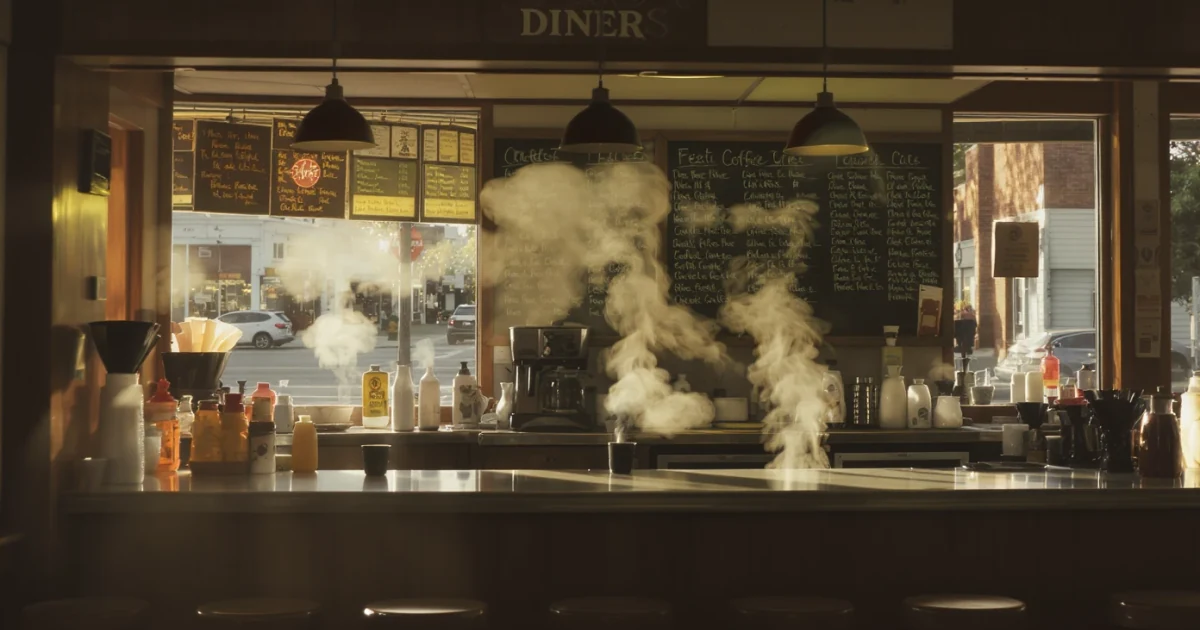
Drama is people under pressure—and interactive drama needs emotional continuity
Drama is not “slower fantasy.” It is the fiction of consequences in kitchens, offices, hospitals, courtrooms, and families: where a sentence can change a life and a silence can be an answer.
Interactive drama fails when relationships reset every scene. AshCamp tries to keep emotional state in play—so apologies, slights, loyalty, and regret can reshape what happens next.
You can steer gently or bluntly; the point is that the world responds like people, not like mood lighting.
Why AshCamp invests in character memory—not only plot beats
Weekly releases set up casts and conflicts so scenes can argue with your choices without inventing brand-new families mid-run.
Illustrations can ground intimacy and setting—two people in a room, a storm outside—without turning the story into a photo album.
If you want domestic drama, workplace pressure, or moral dilemmas, skim until the teaser matches the kind of weight you want to carry tonight.
Keep the emotional stakes legible: clarity without melodrama default
Drama needs readable motives: fear, pride, love, shame, money, time, and the cost of being understood.
Interactive drama needs those motives to persist: otherwise choices feel like flavor clicks.
Suggested moves help when you want to move a conversation; typed lines help when you want the exact sentence you could not say out loud in real life—but can say here.
Four beats from browsing to your first honest scene.
- 1
Pick a drama that matches the weight you want tonight
Teasers are emotional weather reports—trust them.
- 2
Sign in for the opening + two free scenes
See if the voice feels humane, not performative.
- 3
Steer conversations with chips or your own words
Apologize, confront, deflect, confess—then live with the temperature change.
- 4
Continue when you care what happens to these people
Premium unlocks the full arc with unlimited scenes and illustrations.
Interactive drama: agency without turning pain into spectacle
The goal is empathy under pressure—not misery as default wallpaper.
AshCamp tries to keep consequences social and specific so scenes feel like life, not a lesson plan.
Pick a story where you already recognize someone’s mistake on page one—even if it is yours.
One conversation tonight can be enough
You do not have to binge. You have to feel the room change after a choice. Start with the opening and your first two free scenes.
Illustrative voices inspired by early feedback—not verified third-party reviews.
Ready to open a world?
Pick a world, preview the stakes, then sign in to play the opening and two free turns.
Browse Drama stories